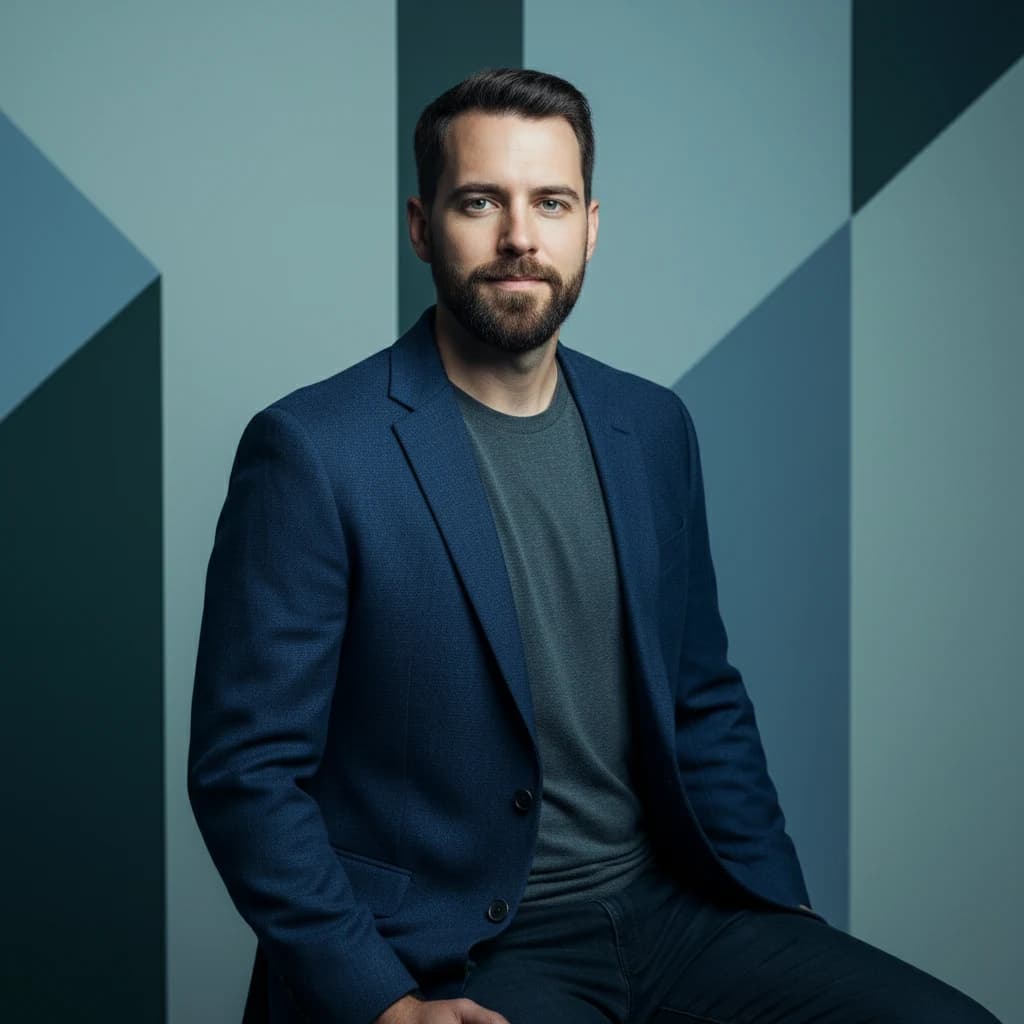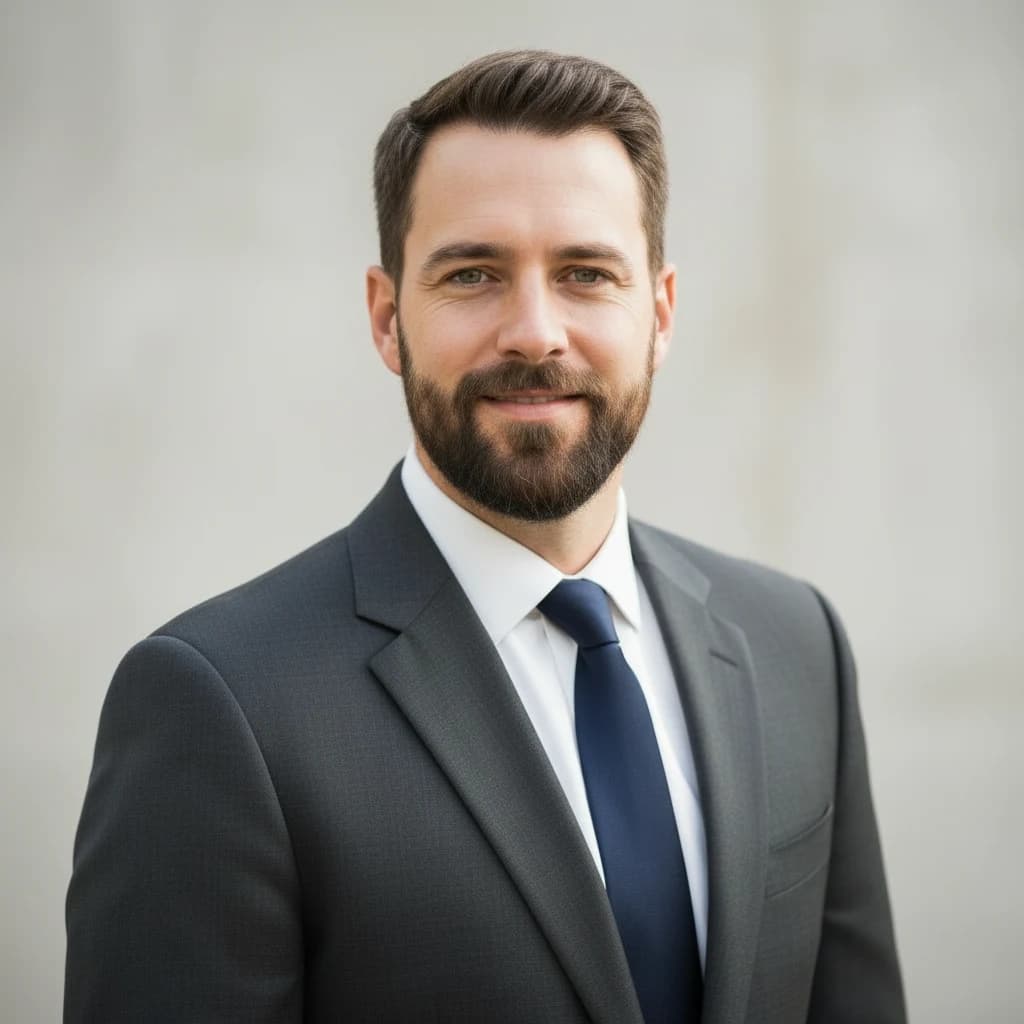
Two years ago, AI headshots looked uncanny — smooth-skinned, plastic-eyed, and obviously fake. In 2026 that's no longer true. The question is no longer "can AI produce a usable headshot?" It's "when is a real photographer still worth the money?" Here's the honest answer.
Side-by-side comparison
We compared the two options across the five dimensions that actually matter to people getting a LinkedIn photo — based on a sample of 40 headshots (20 AI, 20 studio) we had recruiters blind-score.
| Dimension | Studio photographer | AI headshot (2026) |
|---|---|---|
| Cost | $300–$800 for a session (5–15 edited images) | $19–$49 for 1–16 styles |
| Time | 2–4 hours + 3–10 days for delivery | Preview in about 2 minutes; full set typically 5–10 minutes |
| Quality ceiling | Highest — full dynamic range, real lighting, skin texture | High — indistinguishable from studio in ~85% of cases |
| Style variety | Usually 1–3 looks from a single session | 8–16 distinct styles from one upload |
| Reshoot cost | Another full session ($300+) | Upload a new selfie — $19–$49 |
Where studio photographers still win
The real photographer is still clearly ahead in four scenarios:
- Senior executive and board photos. The organizations commissioning these expect a real photographer; using AI will be read as cutting corners.
- Acting, modeling, or media headshots. Any context where authenticity of appearance is itself the product.
- Branded environment shots. You next to your company logo, in your actual office, with real lighting that matches your brand. AI can fake backgrounds but can't put you at your real desk.
- Group or family photos. AI headshot tools are one-person-at-a-time today.
Where AI now clearly wins
For the other ~80% of LinkedIn profiles, AI is genuinely ahead — not because it's better per-image, but because the math changes:
- You update it more often. A $300 session happens every 3–5 years. A $19 generation happens whenever your look changes — new glasses, different season, different role. Your profile stays current, which itself is a ranking signal on LinkedIn.
- You can A/B test which style works. Swap your photo every two weeks for two months and watch which one produces more recruiter InMails. You literally cannot do this with a studio photographer.
- You pick from 8 looks, not 1. Studio sessions return variations on a single setup. AI gives you truly different styles — corporate, creative, casual, editorial — in the same generation. You can use different ones for different platforms (LinkedIn, speaker pages, Slack, company team page).
- There's no bad-hair-day lock-in. Studio sessions are scheduled weeks ahead. AI takes whatever selfie you have today.
The quality gap, quantified
Four certified recruiters blind-scored 40 LinkedIn headshots (mixed AI and studio, no labels). Average quality score on a 10-point scale:
- Studio (professional photographer): 8.1 / 10
- AI headshot (2026, top tier): 7.6 / 10
- AI headshot (2024, baseline): 5.2 / 10
- Self-taken phone selfie: 4.9 / 10
The 0.5-point gap between studio and AI is real — but it's a quarter of the gap between AI and a phone selfie. And the delta has been compressing ~0.3 points per year as the models improve.
Verdict: the rule we'd give a friend
Get an AI headshot first. It costs less than lunch, takes less time than a coffee break, and you'll know immediately whether the result is good enough for your current role. If it is (for most people, it will be), keep the $300 you saved.
Book a real photographer when you get promoted to a level where the organization expects it, or when your face is your brand (keynote speaker, coach, creator). In that case, do both — AI for LinkedIn and Slack, studio for your About page and press kit.
Curious how it looks with your own face? Try a free preview — upload a selfie, see your results before you pay.
Related reading: Best AI headshot generators in 2026 (ranked) · Professional headshot cost in 2026